Roofing and Roof Repairs: Expert Guide
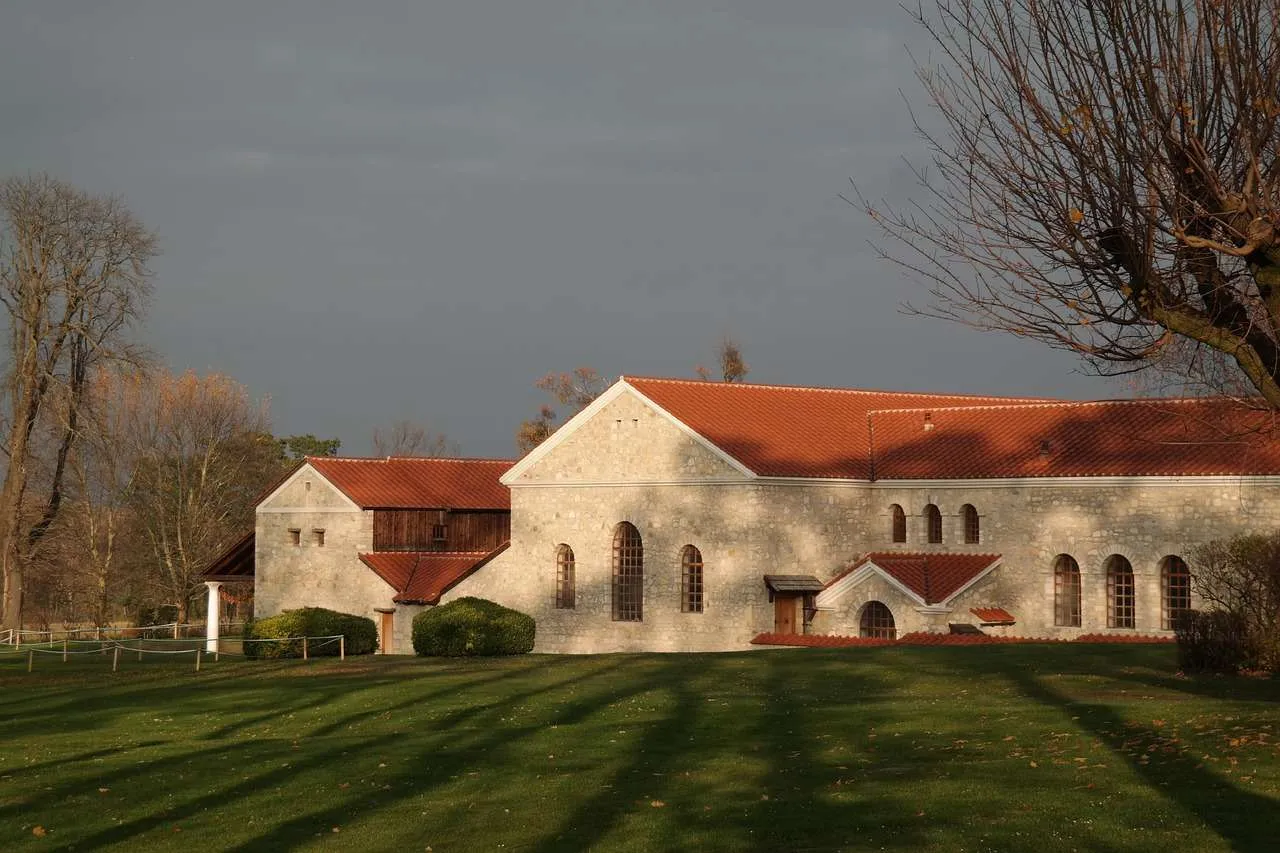
Roofing is more than curb appeal—it's a critical barrier against the elements. When rain, wind, or aging begin to threaten your roof, understanding your options for roofing and roof repairs helps you protect your home and budget. This expert guide distills years of industry practice into practical steps for homeowners, focusing on safety, quality, and value.
Understanding Roofing and Roof Repairs
Roofing covers the entire roof system, including decking, underlayment, shingles or tiles, flashing, vents, and gutters. Roof repairs focus on fixing leaks, damaged components, or wear that compromises waterproofing. A professional assessment ensures you distinguish between a simple repair and a larger replacement decision.
What counts as roofing work
- Leak detection and repair
- Shingle or tile replacement
- Flashing and vent repairs
- Decking repair or replacement
- Gutter and drainage adjustments related to roof performance
Why timely repairs matter
Addressing issues early prevents water intrusion, structural rot, mold growth, and escalating costs. Delays can reduce the lifespan of the roof and void warranties, making professional evaluation essential.
Signs You Need Roof Repairs
- Missing, curled, or cracked shingles
- Visible leaks or ceiling stains after rain
- Granule loss in gutters or on the ground
- Damaged or bubbling underlayment
- Sagging sections or daylight through the attic
- Ice dams or persistent moisture in the attic
Materials and Methods
Common roof materials include asphalt shingles, metal, clay or concrete tiles, and slate. Each material has pros and cons based on climate, weight, and budget. A durable roof balances weather resistance with long-term maintenance needs. Modern underlayment and proper ventilation improve performance, especially in humid or storm-prone regions.
What to Expect: Process and Timeline
- Initial inspection by a licensed roofing professional to identify leaks, damage, and repair scope.
- Written assessment and itemized estimate detailing materials, labor, and expected timelines.
- Scheduling of repairs with attention to weather windows and safety considerations.
- Permits when required by local code, followed by material delivery and work day planning.
- Repair or replacement work, with debris cleanup and site protection.
- Final inspection and warranty documentation to ensure long-term performance.
Costs and Budgeting
Costs vary by roof size, material, access, and extent of damage. The table below provides typical ranges to help homeowners plan a budget. Always obtain multiple written estimates from licensed contractors to verify pricing and scope.
| Repair Type | Typical Cost Range | Notes |
|---|---|---|
| Minor leak repair | $150–$450 | Localized seal or flashing fix |
| Shingle/tile replacement | $300–$1,000 per patch | Material and access impact price |
| Flashing repair | $300–$1,500 | Critical for water tightness around vents and chimneys |
| Full roof replacement (asphalt) | $5,000–$12,000 | Size and warranty influence cost |
| Full roof replacement (other materials) | $10,000–$30,000+ | Higher for tile, metal, slate |
Finding a Roofing Contractor: EEAT
Expertise, authority, and trust are built through licensed and insured professionals with proven track records. When hiring, verify licenses and insurance, request references, review portfolios of prior work, and obtain multiple written quotes. Look for warranties on both labor and materials, safety records, and adherence to local building codes. A written contract outlining scope, timeline, and payment terms protects both homeowner and contractor.
Maintenance to Extend Roof Life
- Schedule biannual inspections and address issues after storms
- Keep gutters clear and ensure proper drainage away from the house
- Remove moss, algae, and debris that retain moisture
- Trim overhanging branches to reduce impact and debris
- Ensure attic ventilation and insulation meet needs to prevent condensation
Conclusion
Conclusion, regular roof inspections and timely roof repairs protect your home, preserve energy efficiency, maintain property value, and extend roof life. By prioritizing professional assessment, reputable contractors, and a proactive maintenance plan, you can optimize performance and minimize long-term costs.